How to Choose the Right Kitchen Sink Style
Choosing the right kitchen sink is more than just picking a shape. Your sink needs to match your lifestyle, kitchen size, and cooking habits. With so many options, it can be overwhelming. This guide will help you make a choice that fits both your kitchen and your needs.
Understanding Kitchen Sink Types
There are several main types of kitchen sinks. Each has its pros and cons. Knowing these can save you time and frustration.

Top-Mount Sinks
Top-mount sinks, also called drop-in sinks, fit into a cut-out in your countertop. The rim rests on the counter. They are easy to install and often cheaper. Cleaning around the edges can be harder, though.
Undermount Sinks
These sinks mount under the countertop. The countertop edge is exposed, giving a clean look. Food crumbs can be wiped directly into the sink. Installation is trickier and might cost more.
Farmhouse Sinks
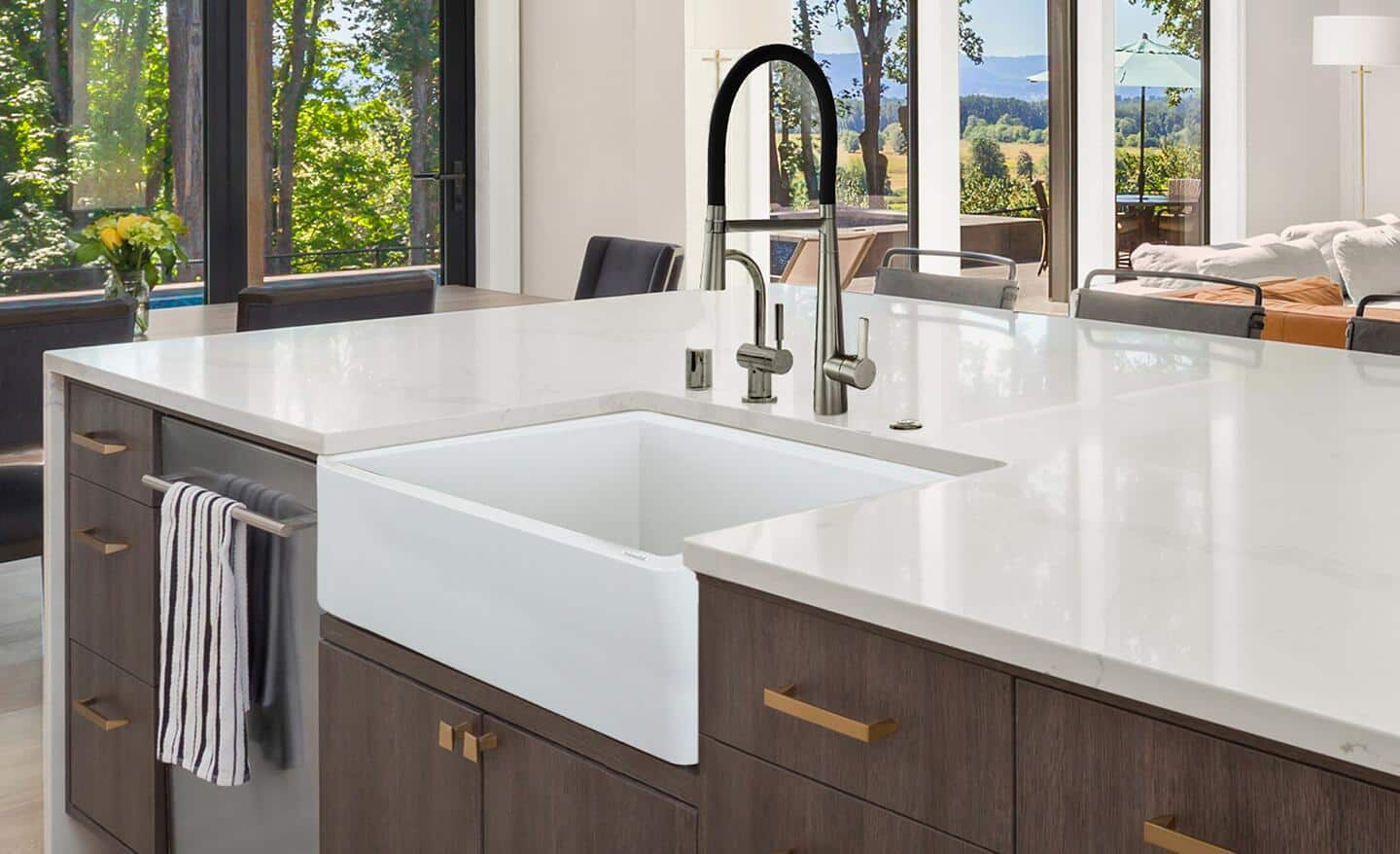
Farmhouse or apron-front sinks have a deep basin with the front exposed. They are good for big pots and pans. They require a special cabinet and might not fit in small kitchens.
Integrated Sinks
Some sinks are part of the countertop material. They look seamless and are easy to clean. Options are limited and usually more expensive.
Bar or Prep Sinks
Small sinks are good for secondary prep areas or small kitchens. They are not meant for heavy-duty cleaning.
Materials Matter
The material affects durability, look, and cleaning. Here are common choices:
- Stainless Steel: Popular, durable, and easy to clean. Can scratch and show water spots.
- Porcelain or Ceramic: Classic look, resistant to stains, but can chip.
- Composite Granite: Scratch-resistant and heavy. Can be expensive.
- Copper: Unique look, naturally antibacterial, needs maintenance.
- Cast Iron: Durable and heavy, coated with enamel. Can chip if hit hard.
Size and Depth
Measure your cabinet and countertop. Sinks come in single, double, and triple basins. Think about what you wash most. A deep basin holds large pots, but may be harder to reach into.
Single vs Double Basins
- Single basin: Large, good for washing big items. Less counter space used.
- Double basin: Wash in one side, rinse in the other. Can separate tasks, but smaller basins.
- Triple basin: Rare, for multitasking. Takes more counter space.
Functionality and Accessories
Consider features that make your sink easier to use:
- Built-in cutting boards
- Colanders and drying racks
- Soap dispensers
- Pull-down or pull-out faucets
These can save counter space and make prep easier.
Style and Design
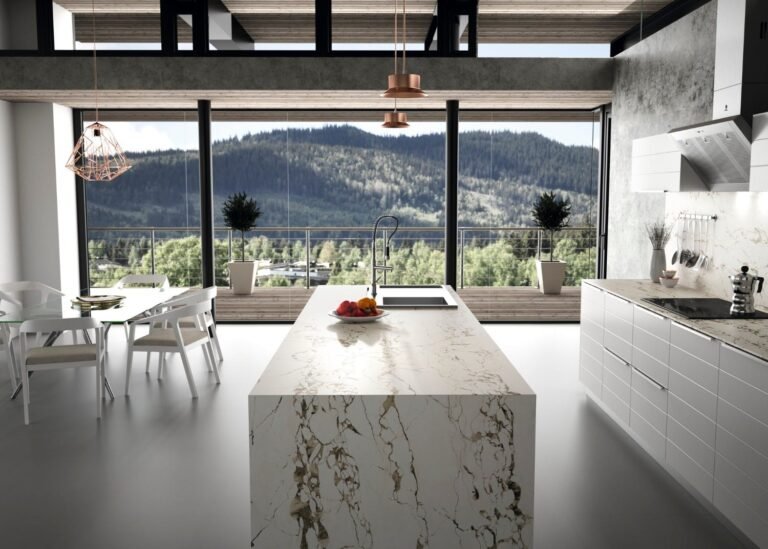
Your sink should match your kitchen style. Modern kitchens often use stainless steel or integrated sinks. Traditional kitchens might look better with porcelain or farmhouse sinks. Think about color, finish, and overall harmony.
Budget Considerations
Sinks vary widely in price. Installation can add costs. Keep these in mind:
- Material cost
- Installation cost
- Accessories and extras
Balance what you want with what you can spend.
Maintenance and Cleaning
Some sinks need more care than others. Stainless steel shows spots but is easy to wipe. Porcelain can chip. Composite sinks resist scratches but can fade. Consider how much effort you want to spend.
Popular Kitchen Sink Shapes
- Rectangular: Standard, fits most cabinets.
- Square: Modern, less common.
- Round: Soft look, may waste space.
- Oval: Good for small kitchens.
Making Your Choice
Think about:
- How often you cook
- The types of dishes you use
- How much space you have
- How much cleaning you can handle
Take measurements, test basins if possible, and imagine daily use.
Common Mistakes to Avoid
- Choosing a sink too big or too small for your cabinet
- Ignoring countertop compatibility
- Forgetting to account for faucet clearance
- Skipping over durability and maintenance
Conclusion
Choosing a kitchen sink is about balance. You need something functional, fits your space, and looks right. Take your time, compare materials and styles, and consider your habits. The right sink can make daily kitchen work easier and more enjoyable.