Incorporating Natural Elements in Kitchen Remodels
Why Nature Belongs in the Kitchen
The kitchen is more than a place to cook. It is where families gather, where stories are shared, and where life happens daily. When people remodel their kitchens, they often focus on cabinets, countertops, and appliances. But adding natural elements can change the whole feel of the space. A kitchen can go from looking like a plain workspace to feeling warm, welcoming, and alive.
Natural elements bring comfort. They remind us of the outdoors, fresh air, and calm moments. Whether it is wood, stone, or plants, these touches can make a kitchen feel grounded. Many homeowners say they feel more relaxed and at ease when surrounded by natural textures and colors.
The Rise of Nature-Inspired Design
Designers have long debated whether kitchens should be purely functional or more home-like. Some argue that a sleek, modern style is easier to clean and maintain. Others point out that a warmer, more natural look makes the room inviting. The trend today leans toward mixing both. People want kitchens that are practical but also personal. This has led to a growing interest in natural elements.
The push for sustainability has also played a role. More people are asking for eco-friendly materials, and natural finishes often fit that demand. Stone counters, reclaimed wood shelves, and plants do not just look good. They can also reduce waste and help people feel more connected to their choices.
Benefits of Using Natural Elements
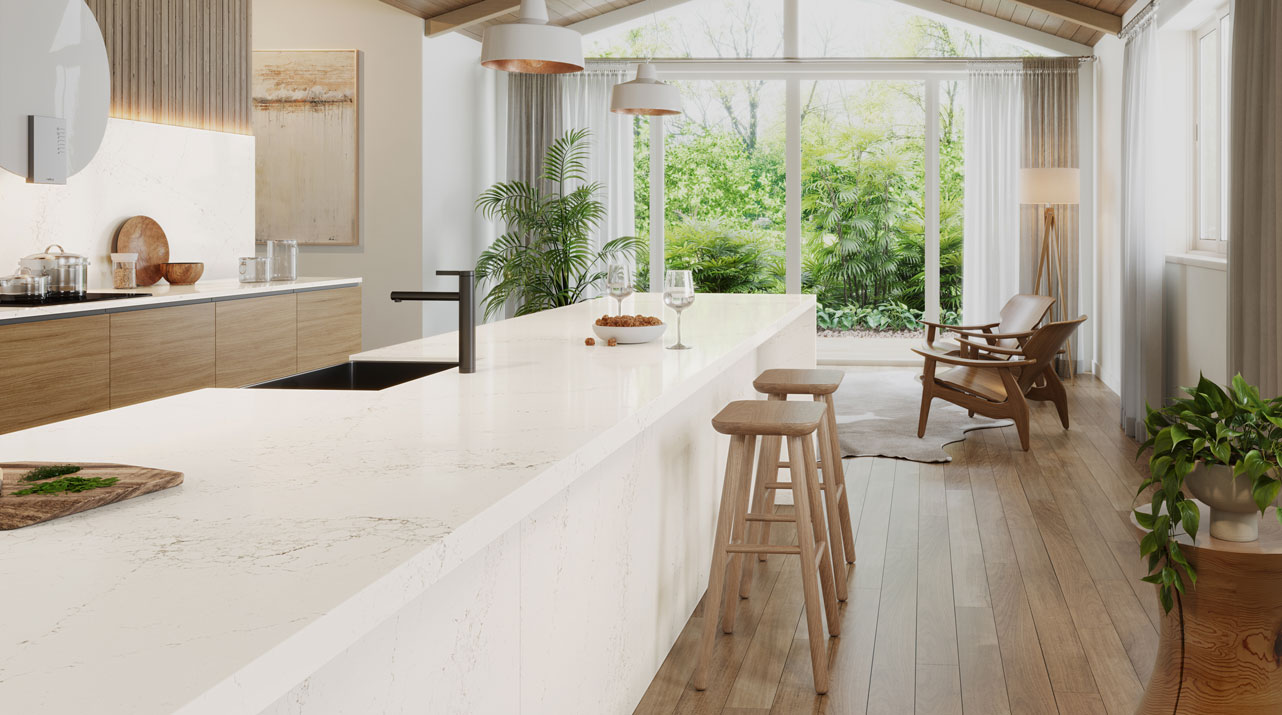
Bringing natural pieces into a kitchen remodel offers both beauty and function. Here are some key benefits:
- Warmth and character: Wood floors or cabinets bring a cozy feel that painted surfaces cannot match.
- Durability: Stone counters like granite or quartz can last for decades.
- Timeless style: Natural textures rarely go out of fashion.
- Air quality: Plants can help clean the air and add freshness.
- Mood boost: Studies suggest that natural light and greenery can lift moods.
While no design choice is perfect, these elements often offer long-term rewards compared to synthetic materials.
Natural Materials for Kitchen Remodels
Wood
Wood remains one of the most popular natural materials. It can be used for floors, cabinets, countertops, and even ceilings. Oak, maple, and walnut are common choices. Reclaimed wood has become more popular too, as it offers character and sustainability.
Different finishes change the mood. A light oak floor brightens a room, while dark walnut cabinets add richness. Some homeowners mix woods for a layered effect.
Stone
Granite, marble, quartzite, and soapstone are all common in kitchens. Each has unique colors and patterns. Stone adds strength and luxury. It can handle heat, scratches, and heavy use better than many other materials.
That said, stone can be costly, and some types require sealing to prevent stains. Still, many consider it worth the effort for the long-lasting appeal.
Plants
Plants are the easiest way to bring life to a kitchen. Herbs on a windowsill, hanging plants near light, or even a small vertical garden can change the space. They add color, freshness, and a sense of calm.
Indoor plants may also serve a practical purpose. Herbs like basil, mint, or rosemary can be used in cooking. This not only looks nice but also saves money.
Natural Light
It is easy to forget that light itself is a natural element. Large windows, skylights, and glass doors bring sunlight into the kitchen. Natural light makes colors look better and helps keep energy costs lower during the day.
Adding mirrors or glossy surfaces can also help reflect light and make the space brighter.
Metal with Natural Finish
While metal might not seem natural, uncoated or brushed metals like copper and brass bring warmth. Over time, they develop a patina that gives them character. Many homeowners like how these finishes age naturally instead of staying perfect.
Balancing Nature with Function
While natural elements add charm, they also come with challenges. Wood floors can scratch. Stone counters may need sealing. Plants require care. The key is balance. Choosing durable finishes and mixing natural with practical makes sense.
For example, a homeowner might use stone counters but pair them with easy-clean tile backsplashes. Or they might add open wood shelves but keep lower cabinets painted for easier upkeep.
Small Ways to Add Natural Touches
Not every remodel requires a full overhaul. Even small touches can make a difference:
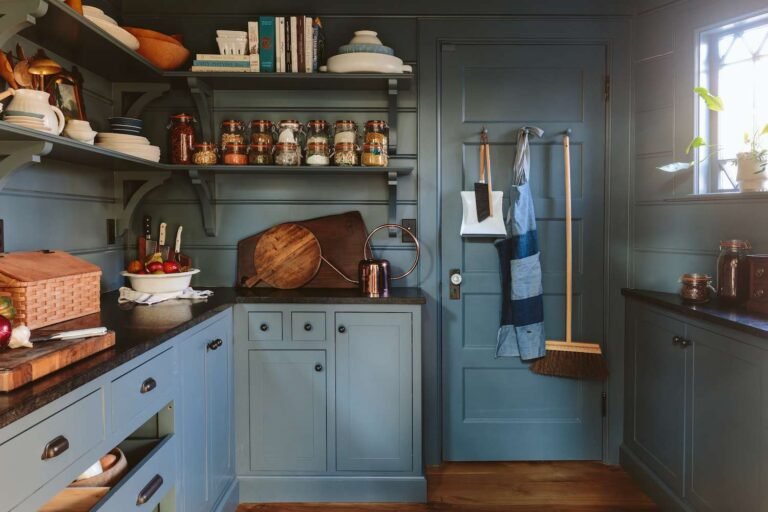
- Wooden cutting boards on display
- Clay or ceramic pots
- Woven baskets for storage
- Stone salt and pepper shakers
- Linen dish towels
These little details help tie a kitchen together and give it warmth.
Natural Color Palettes
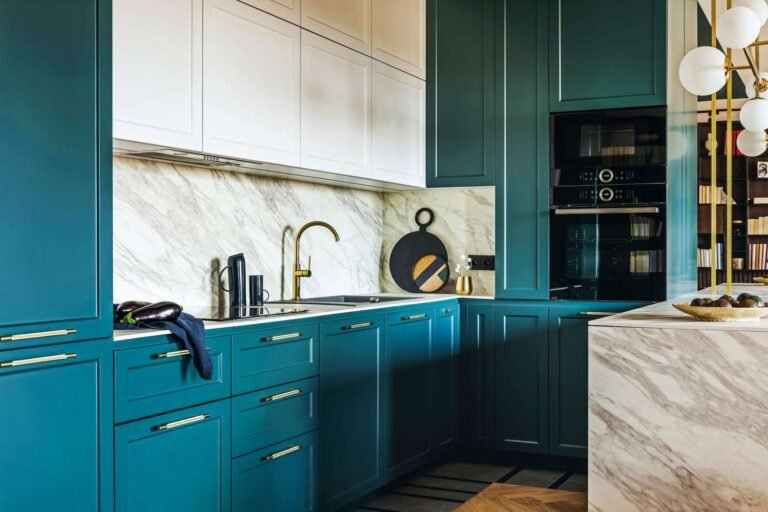
Colors inspired by nature often work well in kitchens. Soft greens, warm browns, creamy whites, and earthy grays bring calmness. Bold colors like deep forest green or terracotta can add depth.
Mixing colors matters too. A white kitchen with wood accents feels clean yet warm. Dark cabinets with stone counters can feel grounded and rich.
Comparing Natural vs Synthetic Materials
| Feature | Natural Materials | Synthetic Materials |
|---|---|---|
| Look and Feel | Unique, warm, timeless | Uniform, sometimes cold |
| Durability | Long-lasting, varies by type | Durable but may wear faster |
| Cost | Often higher upfront | Usually lower upfront |
| Maintenance | May need care (sealing, oil) | Often easier to clean |
| Eco-Friendliness | Often sustainable | Depends on production method |
This table shows that both choices have strengths. The right option depends on budget, lifestyle, and taste.
The Role of Sustainability
Many people remodel their kitchens not only for style but also for responsibility. Reclaimed wood reduces waste. Bamboo grows quickly, making it more renewable. Recycled stone and composite counters reuse old materials.
Some critics argue that natural materials can still cause harm if not sourced well. For example, mining stone may damage land. Cutting down wood without replanting trees is not sustainable. Because of this, it is important to ask where materials come from and how they are made.
Common Mistakes to Avoid
People often get excited about natural materials but forget about upkeep. A few common mistakes include:
- Using marble counters without sealing them
- Choosing wood floors in a home with heavy water use
- Adding plants without enough light
- Overloading the kitchen with too many textures
Balance and planning make natural design last longer.
Mixing Modern with Natural
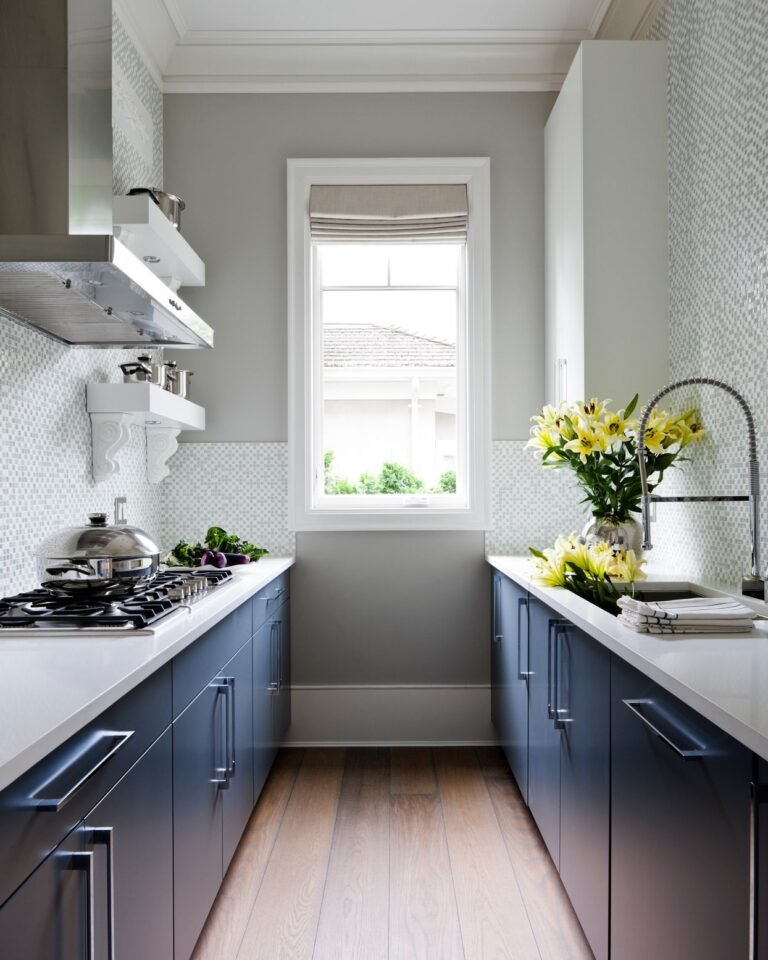
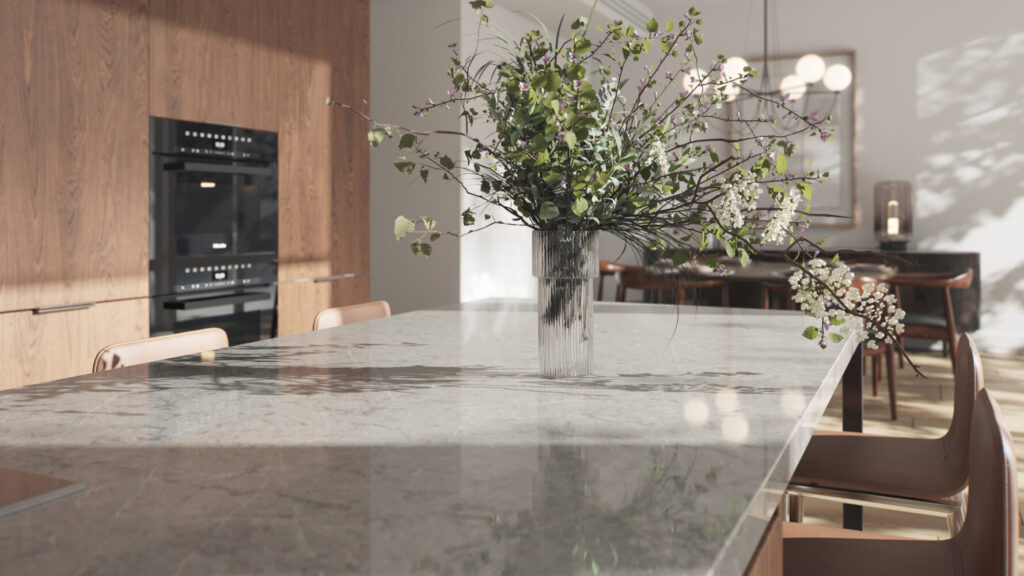
A modern kitchen does not need to feel cold. Mixing sleek lines with natural textures can give the best of both worlds. For example, flat-panel cabinets can look softer when paired with a wood island. Stainless steel appliances feel less harsh when surrounded by stone counters and plants.
This mix has become popular because it allows homeowners to enjoy modern function while still feeling connected to nature.
Case Studies and Examples
Case 1: The Cozy Urban Kitchen
A small apartment kitchen with limited space added open wood shelves, hanging plants, and a butcher block counter. These changes made the room feel less cramped and more welcoming.
Case 2: The Family Farmhouse
In a larger country home, reclaimed barn wood beams were used in the ceiling. Soapstone counters and large windows kept the space bright and timeless.
Case 3: The Modern Retreat
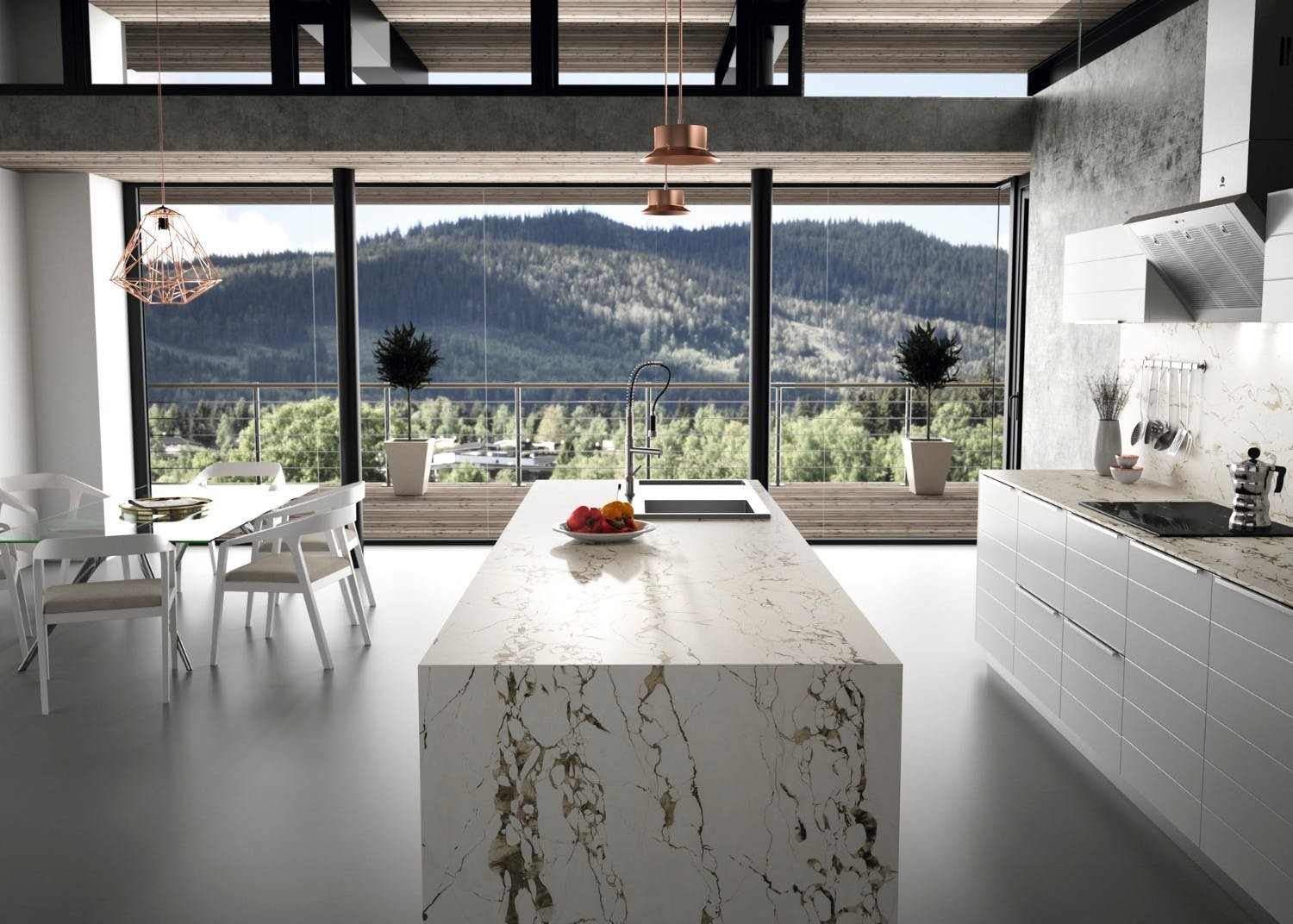
A city loft combined sleek white cabinets with a live-edge wood island and large floor-to-ceiling windows. This balance of modern and natural created a calming retreat in the middle of the city.
Future of Natural Kitchen Design
Designers often debate whether this trend will fade. Some say natural materials are timeless and will always stay popular. Others argue that technology and new synthetic surfaces will take over. In practice, many remodels now blend both. Homeowners seem to prefer a mix of durability, beauty, and practicality.
Practical Tips for Homeowners
- Start with one element, such as wood shelves or stone counters.
- Think about upkeep before choosing materials.
- Use plants that match the light in your kitchen.
- Combine natural and modern for balance.
- Ask about the source of materials to be sure they are sustainable.
Final Thoughts
Adding natural elements to a kitchen remodel is not just about style. It is about comfort, health, and connection. While each home is different, most kitchens benefit from touches of wood, stone, plants, and natural light. These choices make a kitchen feel less like a workspace and more like the heart of the home.
Whether you want a full remodel or just small updates, nature can be part of your kitchen. The goal is not to copy a showroom but to create a space that feels alive and welcoming.