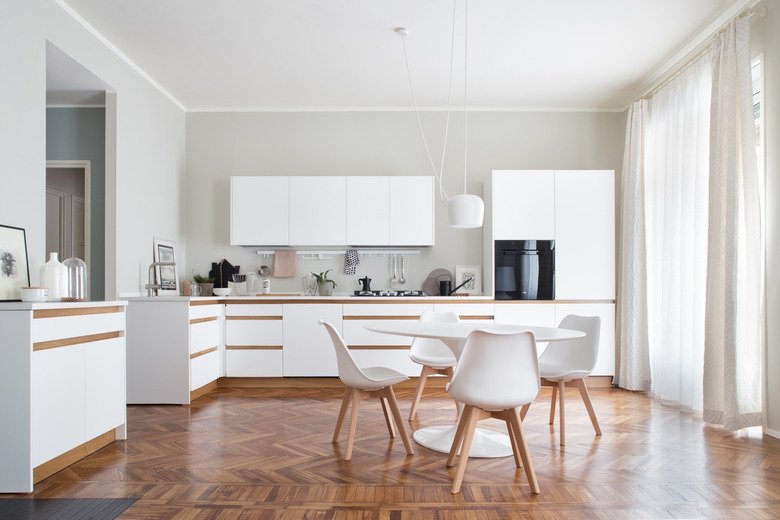
Best Flooring Options for Modern Kitchens
Choosing the right kitchen floor is not always easy. A kitchen is more than a cooking space. It’s a place where people gather, talk, and sometimes even work. The floor needs to look good, but it also has to stand up to spills, heat, and heavy traffic. In this blog, we’ll look at different flooring options, what makes them good or bad, and how you can decide which one fits your own kitchen best.
Why Kitchen Flooring Matters
Floors in the kitchen deal with more stress than any other room. Hot pans might drop, water might spill, and chairs scrape across the surface. On top of that, the style of your floor ties the whole room together. A mismatch between the counters and flooring can make the space feel off. Picking the right floor means thinking about strength, upkeep, cost, and style.
Key Things to Think About Before Choosing
- Durability: Can it handle spills, scratches, and daily use?
- Maintenance: Is it easy to clean, or does it need regular care?
- Comfort: Will it feel good underfoot if you stand for hours cooking?
- Safety: Does it get slippery when wet?
- Cost: Will it fit your budget without cutting corners?
- Style: Does it fit the overall look you want?
Each type of flooring answers these questions in different ways. Let’s go through the options.
:max_bytes(150000):strip_icc()/GettyImages-535698335-5a859f3c6edd6500361e3efc.jpg)
Hardwood Flooring
Hardwood has been popular for centuries, and it still makes many kitchens feel warm and classic. People love the natural look of wood, and it blends well with almost any design.
Pros
- Warm, natural look
- Long lifespan if cared for
- Can be refinished instead of replaced
Cons
- Can stain or warp if exposed to water
- Scratches show over time
- Needs steady upkeep
Hardwood might be best for kitchens where spills are less common, or where style is more important than low upkeep.
Engineered Wood
Engineered wood looks like hardwood but is built differently. A thin wood layer is glued over plywood or fiberboard. This makes it stronger against water and changes in humidity.
Pros
- Looks like solid wood
- More stable than hardwood
- Easier to install
Cons
- Still can get water damage
- Can’t be refinished as many times as solid wood
This option may work for someone who wants the wood look but also wants better strength in a busy kitchen.
Tile Flooring
Tile is one of the most common kitchen floor choices. Ceramic and porcelain are the two main types.
Ceramic Tile
Ceramic is affordable and comes in many styles. It is made from clay and baked at lower heat than porcelain.
- Pros: Wide variety, easy to clean, cost-friendly
- Cons: Can chip, grout needs care, cold underfoot
Porcelain Tile
Porcelain is baked at higher heat, making it harder and less porous.
- Pros: More water-resistant, stronger than ceramic, long-lasting
- Cons: Higher cost, heavy, harder to install
Tile floors are best if you want long life and can handle the hard surface underfoot.
Vinyl Flooring
Vinyl has changed a lot in the last few years. The new versions look like wood or tile but are softer and cheaper.
Sheet Vinyl
A single sheet covers the whole floor. It is easy to clean and resists water.
- Pros: Affordable, water-resistant, low maintenance
- Cons: Can tear, may not last as long as tile or wood
Luxury Vinyl Plank (LVP)
Made to look like wood planks but with a strong core and protective layer.
- Pros: Stylish, water-resistant, softer underfoot
- Cons: May fade in direct sunlight, lower resale value
Vinyl is a good pick for families that need an affordable and tough floor that still looks nice.
Laminate Flooring
Laminate has a printed image of wood or stone under a clear top layer. It’s a budget way to get the look of wood or tile.
Pros
- Cost-friendly
- Easy to install with click-lock edges
- Resists scratches better than wood
Cons
- Not fully water-proof
- Can swell if water seeps in
- Harder feel underfoot
Laminate might be right for kitchens that don’t see a lot of spills or where budget matters most.

Natural Stone Flooring
Stone adds beauty and strength but comes at a higher cost. Options include granite, slate, marble, and limestone.
Pros
- Unique look, no two stones are the same
- Very strong and long-lasting
- Adds value to the home
Cons
- High price
- Needs sealing to prevent stains
- Cold and hard underfoot
Stone floors work well in kitchens where design and luxury are top priorities.
Cork Flooring
Cork is softer and warmer than tile or stone. It comes from the bark of cork trees and has a natural springy feel.
Pros
- Comfortable and soft
- Good for standing long hours
- Eco-friendly choice
Cons
- Needs sealing against water
- Can dent under heavy furniture
- Color may fade in sunlight
Cork is best for people who want comfort and care about eco-friendly options.
Bamboo Flooring
Bamboo looks like wood but is made from grass. It grows fast, making it a more sustainable choice.
Pros
- Stylish and modern
- Stronger than some hardwoods
- Eco-friendly
Cons
- Quality varies
- Can warp with water
- May scratch easier than hardwood
Bamboo suits kitchens where style and eco-friendliness matter most.
Comparing Flooring Options
Here’s a quick look at how the main choices compare:
| Flooring Type | Water Resistance | Comfort | Cost | Lifespan |
|---|---|---|---|---|
| Hardwood | Low | Medium | High | Long |
| Engineered Wood | Medium | Medium | Medium | Long |
| Ceramic Tile | Medium | Low | Medium | Long |
| Porcelain Tile | High | Low | Higher | Long |
| Vinyl (Sheet/LVP) | High | Medium | Low-Med | Medium |
| Laminate | Low-Med | Low | Low | Medium |
| Natural Stone | High | Low | High | Long |
| Cork | Medium | High | Medium | Medium |
| Bamboo | Medium | Medium | Medium | Medium |
How to Decide
The best floor depends on your needs. If you cook a lot and drop things often, tile or vinyl may be safer. If you care about style, hardwood or stone might win. Families with kids might want vinyl because it’s soft and easy to clean. Comfort seekers may enjoy cork, while eco-minded people may lean toward bamboo.
Think about how you use your kitchen every day. A floor that works in one home might not work in another.
Tips for Keeping Your Kitchen Floor in Shape
- Wipe up spills right away
- Use mats near the sink and stove
- Sweep often to avoid scratches
- Reseal stone, cork, or wood as needed
- Don’t drag chairs or furniture across the surface
Final Thoughts
No single floor fits every kitchen. Some people want beauty above all. Others want something that will last with little care. The good news is that modern flooring has many choices. With some thought about your habits, budget, and taste, you can find a floor that keeps your kitchen both useful and inviting.