Best Eco-Friendly Materials for Kitchens
Designing or remodeling a kitchen today often comes with a new concern: how to make choices that are better for the planet. People are asking what materials they should pick if they want a kitchen that is stylish, safe, and kinder to the environment. The good news is that there are many options available, from recycled products to natural finishes that can last for years. This guide will walk through the best eco-friendly materials for kitchens, showing how each one works, where it shines, and what to keep in mind before choosing.
Why Eco-Friendly Materials Matter
A kitchen is one of the busiest spaces in any home. The materials used here face heavy wear and often come in contact with food and water. That means durability and safety matter, but so does the impact of those materials on the planet.
Eco-friendly choices reduce waste, use fewer chemicals, and often last longer. They may cost a bit more at first, but they can save money in the long run by needing fewer replacements. Some also add warmth and natural beauty that synthetic products struggle to match.
Countertops
Recycled Glass
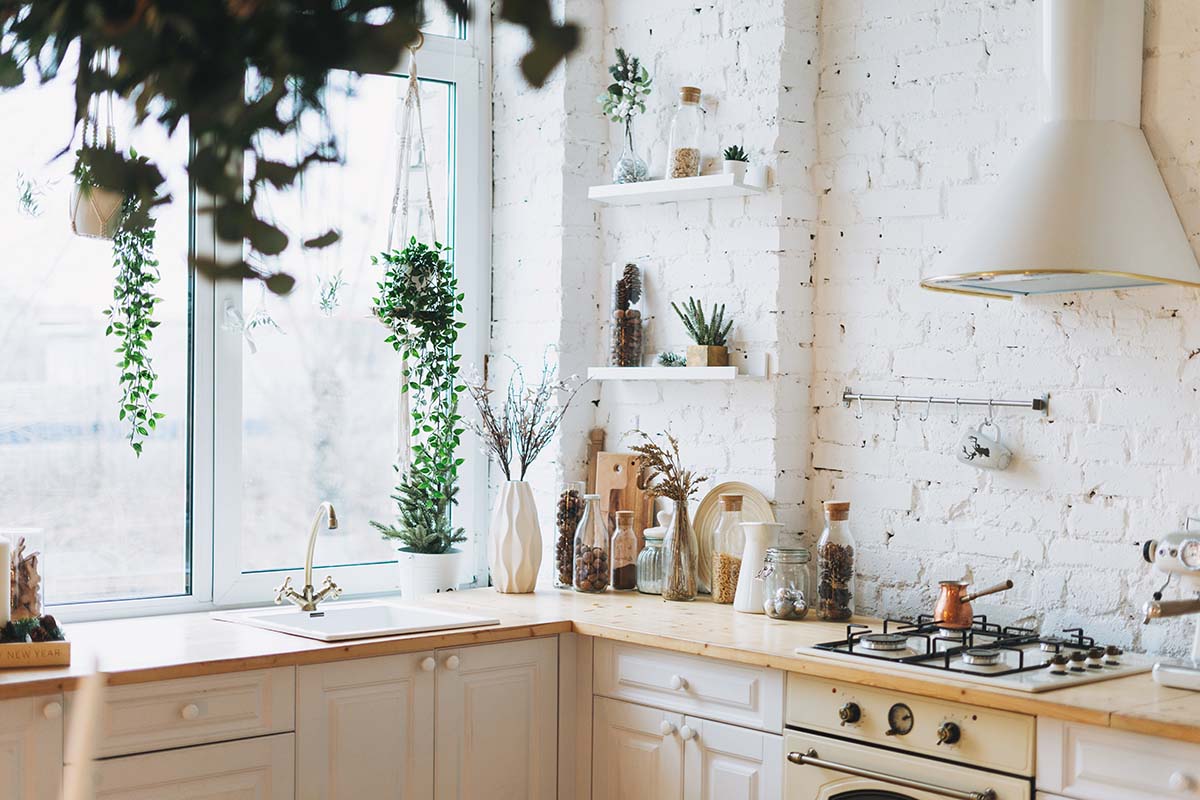
Recycled glass countertops are made by combining crushed glass with a binder like concrete or resin. The result is a surface that sparkles and stands out. Since the glass is recycled, it keeps waste out of landfills. They resist stains and scratches, but like stone, they can chip if hit hard.
Bamboo
Bamboo is often used for cutting boards, but it can also serve as a countertop material. It grows quickly, making it a renewable choice. When sealed properly, it resists water and looks warm and natural. Some people worry about scratches, so using mats or boards helps extend its life.
Reclaimed Wood
Old barns, warehouses, and factories are often sources of reclaimed wood. This wood gets new life as countertops. It has a unique, rustic look with character that new lumber can’t match. Using reclaimed wood keeps it from being wasted, and since it is already aged, it often stands up well in kitchens.
Recycled Paper Composite
This may sound odd, but recycled paper countertops exist. Paper fibers are mixed with resins to create a hard surface that looks a bit like stone. They are smooth, durable, and often less costly than other eco-friendly choices. Heat can damage them, so care is needed with hot pans.
Cabinets
FSC-Certified Wood
Cabinets often use a lot of wood. Choosing wood certified by the Forest Stewardship Council (FSC) means it comes from forests managed responsibly. This helps protect ecosystems while still providing strong, beautiful material for your kitchen.
Bamboo Cabinets
Bamboo isn’t just for counters. It can also be turned into cabinet panels. Its grain gives a clean and modern look. Since bamboo grows so quickly, it replaces itself faster than hardwoods.
Reclaimed Wood Cabinets
Like countertops, cabinets can be built from reclaimed wood. Each piece has marks and textures from its past life, adding charm and history to a kitchen. Using reclaimed wood also means fewer new trees are cut down.
Metal Cabinets
Stainless steel cabinets are long-lasting and recyclable. While making them uses energy, the fact that they can last for decades and be recycled at the end of their life makes them a greener choice than some plastics.
Flooring
Cork
Cork flooring comes from the bark of cork oak trees. The bark grows back, so the trees are not harmed. Cork is soft underfoot, which is nice in a kitchen where people often stand for long stretches. It also resists mold and pests. One drawback is that it can fade in direct sunlight.
Linoleum
Many people confuse linoleum with vinyl, but they are not the same. Linoleum is made from natural materials like linseed oil, cork dust, and wood flour. It’s biodegradable and durable, often lasting decades if cared for.
Reclaimed Wood Floors
Using reclaimed wood for flooring gives it new life and saves trees from being cut. It brings warmth and character into a kitchen. Scratches can be sanded and refinished, making it last even longer.
Recycled Tile
Tile made from recycled glass or ceramic can brighten a kitchen floor. It comes in many colors and designs, offering flexibility for different styles. Tiles are durable but can feel cold, so rugs may help in work areas.
Walls and Backsplashes
Recycled Glass Tile
Using glass tile made from recycled bottles and windows keeps waste out of landfills. These tiles shine under light, giving backsplashes a lively look. They resist stains and are easy to clean.
Clay or Ceramic Tile
Clay-based tiles are long-lasting and natural. If made locally, they also reduce shipping emissions. They come in many styles and can be used for walls, backsplashes, or even floors.
Natural Paints
Standard paints often release fumes that can be harmful. Natural paints, made from clay, milk, or plant oils, give color without the toxins. They may not be as widely available but are worth seeking for a healthier kitchen.
Sinks
Recycled Stainless Steel
Many stainless steel sinks are already made with recycled metal. They are tough, easy to clean, and fully recyclable again when replaced. Their simple look works with most kitchen styles.
Fireclay
Fireclay sinks are made from natural clay and glaze, fired at high heat. They are non-toxic, sturdy, and resist stains. While heavier than steel, they can last decades.
Tables and Chairs
Reclaimed Wood Furniture
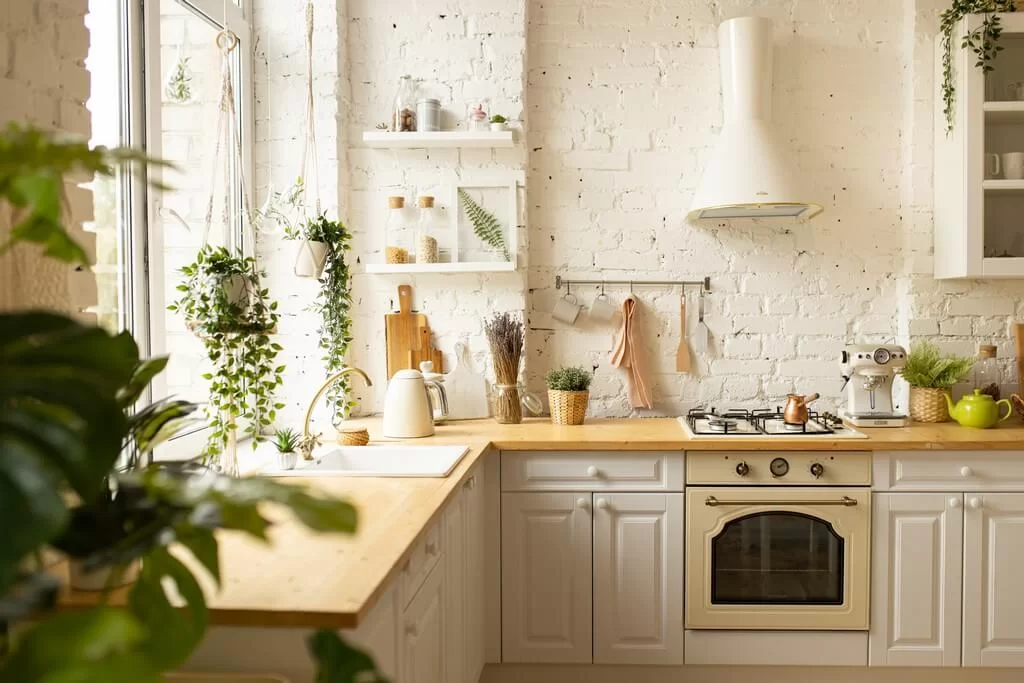
Old wood can be used to make kitchen tables and chairs, giving a second life to materials that might otherwise be wasted. Each piece tells a story through its grain and wear.
Bamboo Furniture
Lightweight and strong, bamboo furniture works well in modern kitchens. It is renewable and adds a natural look.
Metal Furniture
Chairs and tables made from metal can be durable and recyclable. When paired with cushions or wood accents, they don’t feel cold or industrial.
Small Details That Matter
Sometimes it’s the small details that count most. Drawer pulls, light fixtures, and even cutting boards can be made from eco-friendly materials. Choosing recycled metal for handles or bamboo for utensils keeps the theme consistent.
Tips for Choosing Eco-Friendly Kitchen Materials
- Look for certifications like FSC or GreenGuard.
- Ask about recycled content in products.
- Consider durability before cost.
- Shop local to cut down on shipping impact.
- Think about end-of-life recycling.
A Quick Comparison Table
| Material | Best Use | Pros | Cons |
|---|---|---|---|
| Recycled Glass | Countertops | Unique look, durable | Can chip |
| Bamboo | Counters, Cabinets | Renewable, modern style | Scratches easily |
| Reclaimed Wood | Floors, Cabinets | Rustic charm, reuse of old wood | May need more upkeep |
| Cork | Flooring | Renewable, soft, pest-resistant | Fades in sunlight |
| Linoleum | Flooring | Natural, durable, biodegradable | Limited design options |
| Recycled Stainless | Sinks, Cabinets | Tough, recyclable, long-lasting | Industrial look for some |
| Natural Paints | Walls | Non-toxic, safe for homes | Less available |
Balancing Style and Sustainability
It’s worth saying that being eco-friendly doesn’t mean giving up style. Many of these materials look just as good as traditional options, sometimes even better. Reclaimed wood tells a story, recycled glass shines in the light, and bamboo gives a clean, modern edge.
Final Thoughts
Choosing eco-friendly materials for a kitchen is not only about saving the planet. It is about creating a space that feels good to live in, safe for your family, and lasting for years. While no material is perfect, many of these choices bring together beauty, strength, and responsibility. By mixing options that work best for your budget and taste, you can build a kitchen that truly feels like the heart of a green home.