Kitchen Pantry Design Ideas
A kitchen pantry is more than just a storage space. It can make cooking and meal prep easier, save time, and keep your kitchen organized. Many people underestimate its impact, but a well-planned pantry can change how you use your kitchen. In this guide, we’ll explore practical ideas for designing a pantry that fits your lifestyle and space.
Assessing Your Space
Before you start, consider your available space. Pantries can be small closets, large rooms, or built-in cabinets. Measure the area carefully. Note any obstacles like vents, doors, or outlets. Think about how you move in your kitchen and how often you use different items.
Questions to Ask
- How much storage do I need?
- Do I want open shelves or closed cabinets?
- Should I include a counter space?
- Will I store non-food items here?
Answering these questions helps you plan the layout and select storage solutions.
Layout Options
Pantry layouts vary. The right one depends on space, habits, and personal style. Here are common layouts:
Reach-In Pantry
A simple design for small spaces. Shelves line the walls, usually 12-24 inches deep. Keep frequently used items at eye level.
Walk-In Pantry
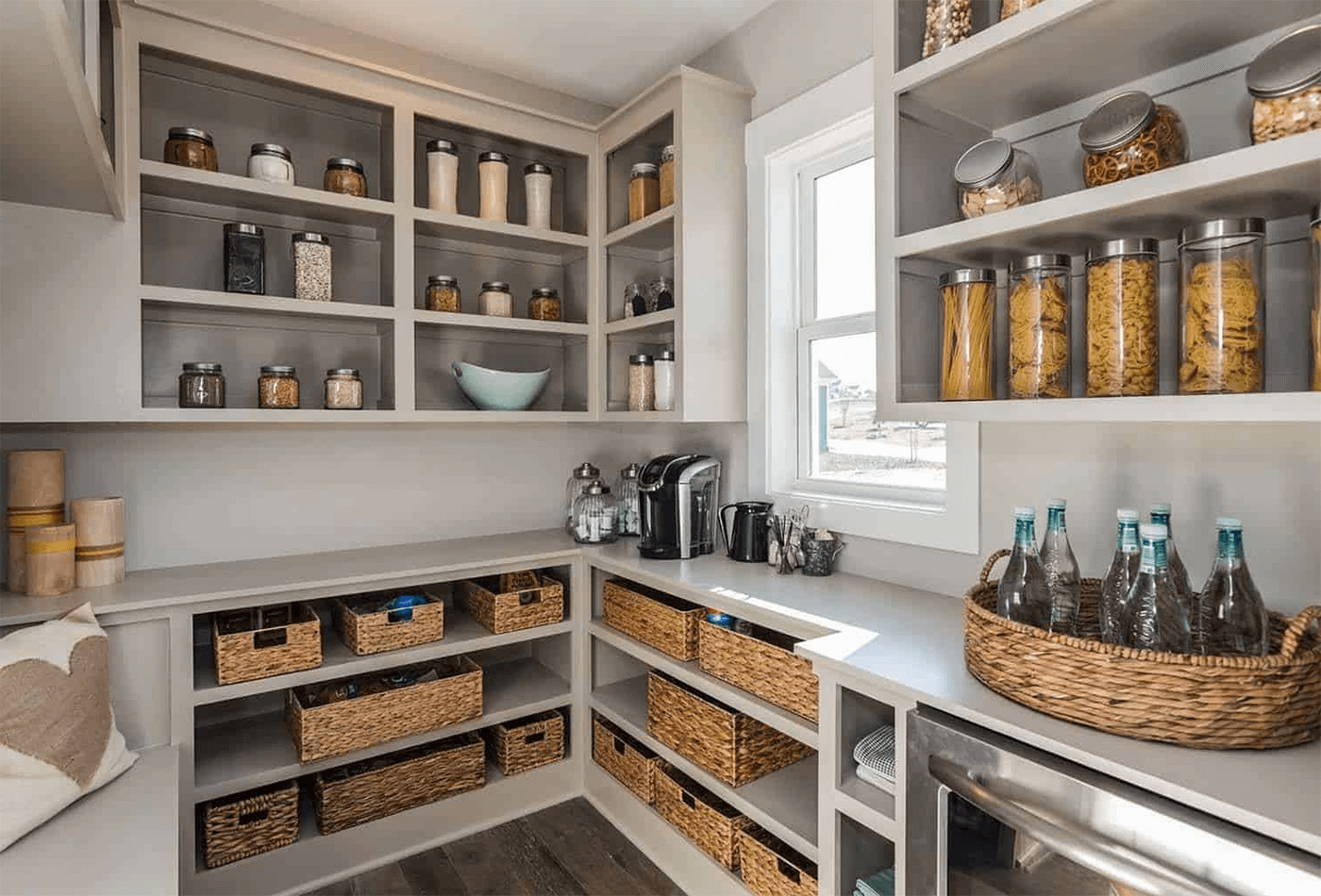
Larger and more flexible. You can add shelves, drawers, and even a small counter. This layout allows easy access and better organization.
Pull-Out Pantry
Ideal for narrow spaces. Vertical pull-out shelves maximize storage while keeping items visible. It reduces bending and reaching.
Shelving and Storage
Shelves are the backbone of any pantry. Choosing the right type matters.
Adjustable Shelves
Let you change shelf height as needs shift. Good for storing tall bottles or large containers.
Wire Shelves
Allow airflow and prevent dust buildup. Easy to clean, but small items can fall through.
Solid Wood or MDF Shelves
Strong and sturdy. Can support heavy items but need more cleaning.
Storage Bins and Baskets
Keep small items together. Clear bins help identify contents quickly.
Lazy Susans
Great for corners. Makes bottles and jars easier to reach.
Pull-Out Drawers
Store cans, snacks, or baking ingredients. Keep items at hand without bending or digging.
Organizing Tips
A well-organized pantry saves time and prevents waste.
Group Similar Items
- Baking supplies together
- Breakfast items in one section
- Snacks in a basket or drawer
Label Everything
Use simple labels on shelves or containers. Helps everyone in the household find items.
Use Vertical Space
Stack containers or add extra shelves. Don’t waste space near the ceiling.
Rotate Items
Place older products in front to use them first. Prevents food from expiring.
Keep a Step Stool
If shelves are high, a small step stool makes access easier.
Lighting and Accessibility
Good lighting makes a pantry functional and inviting. Consider:
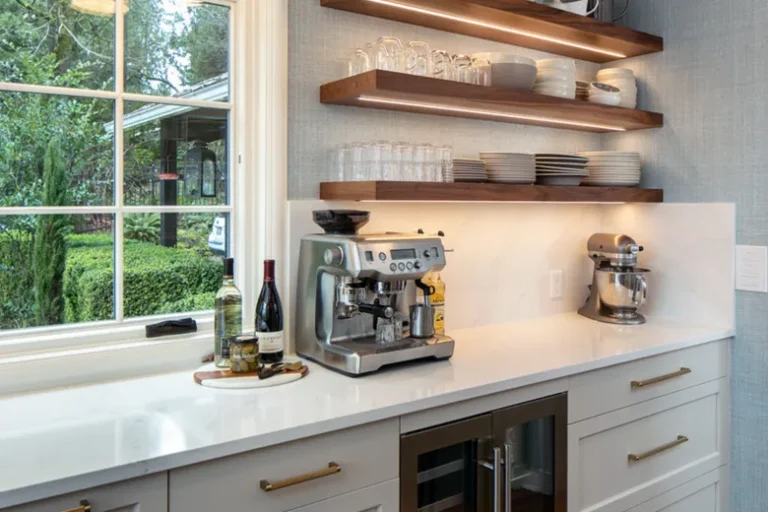
- LED strip lights for shelves
- Motion sensor lights
- Clear bins to see items quickly
Accessibility matters too. Keep heavy items low and frequently used items at eye level. Think about who uses the pantry most.
Pantry Doors
Door style affects usability and space.
Hinged Doors
Traditional but take space to open. Can add storage on the inside with hooks or racks.
Sliding Doors
Save floor space. Work well in tight kitchens.
Bi-Fold Doors
Good compromise between full swing and sliding. Still allow partial access.
Open Pantry
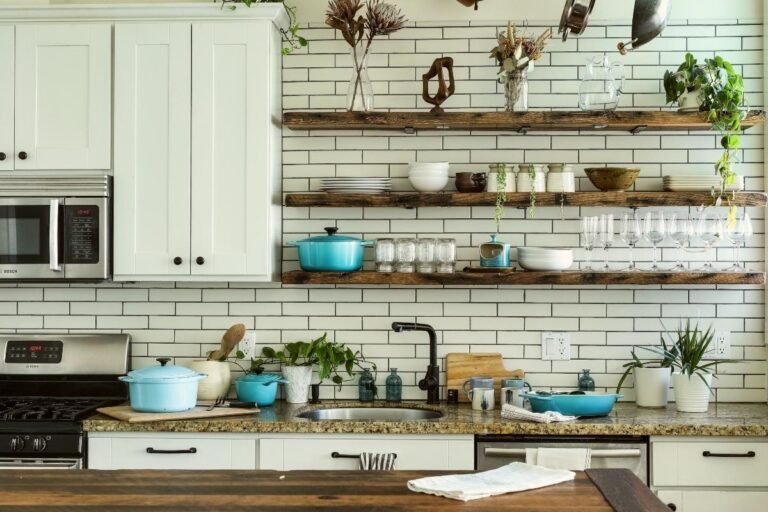
No doors at all. Easy access, but items must always look tidy.
Style and Aesthetics
Pantries don’t have to be boring. Choose finishes that match your kitchen.
Colors
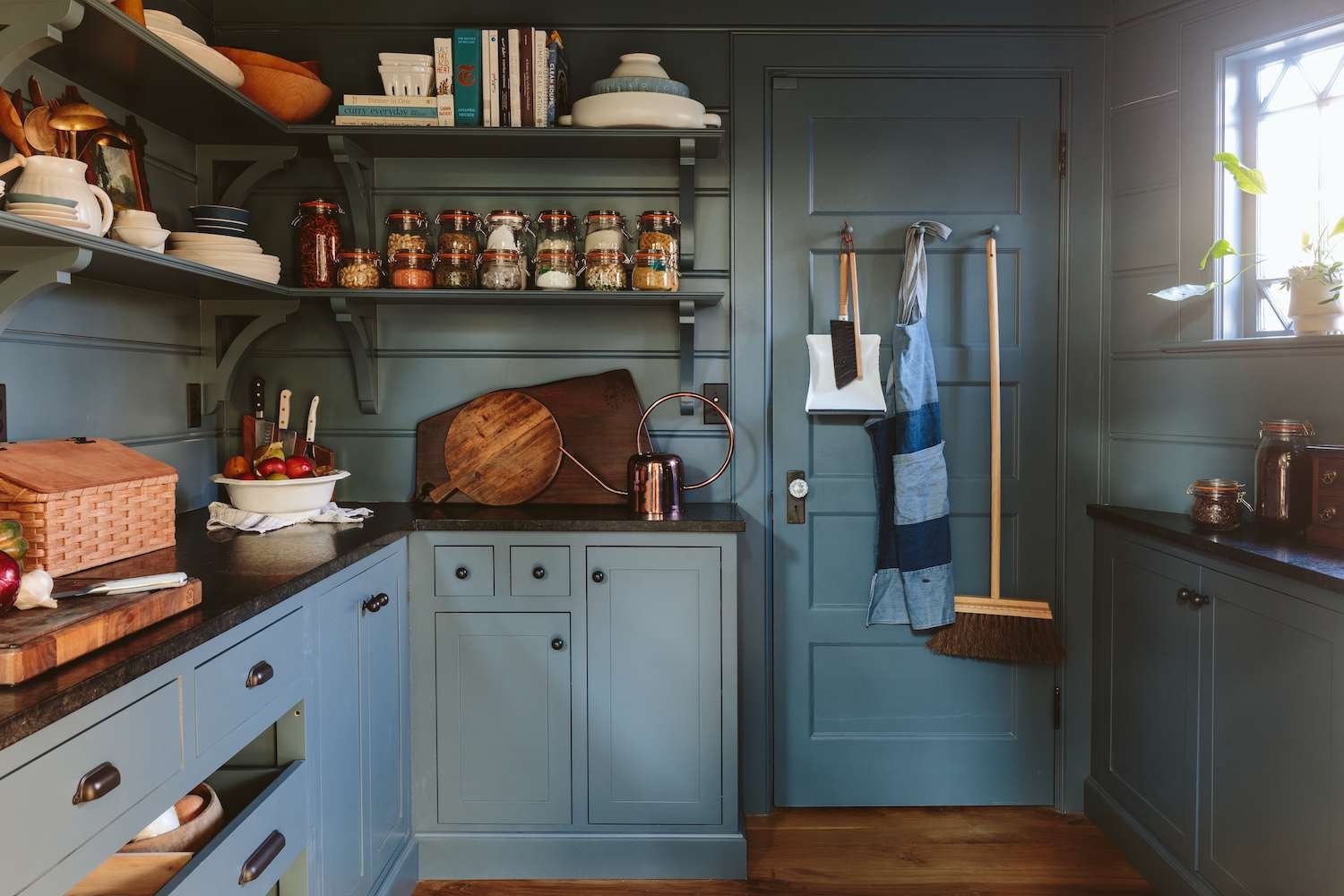
Light colors make small pantries feel bigger. Dark colors hide dirt but may feel smaller.
Materials
Wood, laminate, or metal shelves each offer different looks. Match with kitchen style.
Decorative Touches
Add baskets, jars, and labels that look nice. Can be simple or colorful depending on your taste.

Pantry Accessories
Small additions can make a big difference.
- Door-mounted racks for spices or wraps
- Hooks for bags or utensils
- Pull-out trash bins
- Wine racks or jar organizers
Common Mistakes to Avoid
Even with a good plan, mistakes happen. Watch out for:
- Overcrowding shelves
- Ignoring shelf heights
- Storing heavy items too high
- Forgetting to label
- Not considering how often items are used
Pantry Maintenance
Keeping a pantry clean is easier than it seems.
- Wipe shelves regularly
- Check expiration dates monthly
- Keep a trash or recycling bin nearby
- Organize as new items are added
Budget-Friendly Tips
You don’t need a big budget for a functional pantry.
- Use simple wire racks or plastic bins
- Repurpose furniture like bookcases
- Buy clear containers for better visibility
- DIY labels with paper and tape
Conclusion
A well-designed pantry improves kitchen efficiency and reduces stress. Start by assessing your space, then choose the right layout, shelving, and accessories. Keep items organized, accessible, and visible. Even small changes, like adding bins or labels, can make a big difference. Take time to plan your pantry thoughtfully—it pays off in daily convenience and enjoyment.
Table: Pantry Layout Comparison
| Layout | Best For | Pros | Cons |
|---|---|---|---|
| Reach-In | Small kitchens | Easy access, simple design | Limited space |
| Walk-In | Large kitchens | Flexible, lots of storage | Takes space |
| Pull-Out | Narrow spaces | Maximizes vertical space | Can be expensive |
List: Pantry Must-Haves
- Clear storage containers
- Adjustable shelves
- Baskets for small items
- Step stool
- Labels
- Lazy Susans
- Pull-out drawers
- Good lighting
Final Thoughts
Pantry design is not one-size-fits-all. Think about your habits, kitchen size, and style. Small improvements can make a big difference. Organizing your pantry is not just about storage—it’s about making your kitchen easier and more enjoyable to use.